Who searches my name on Google: can I find out?
Google does not provide a list of people searching your name. Understand what Alerts, Trends and Search Console show, and review your public results.
Loading page…
Indexed pages, broker profiles, leaked credentials and exposed accounts: before deleting anything, understand what is actually circulating about you. These guides explain the terms and the steps: identify, prioritise and act. They help you read your free scan and decide what to do next.
Google does not provide a list of people searching your name. Understand what Alerts, Trends and Search Console show, and review your public results.

A breach alert mentions your data. Learn the difference between taking down a page, removing stolen copies and securing your accounts.
Review LinkedIn, public posts, directories and people search records before an interview. Learn what you can change yourself and when a footprint scan helps.
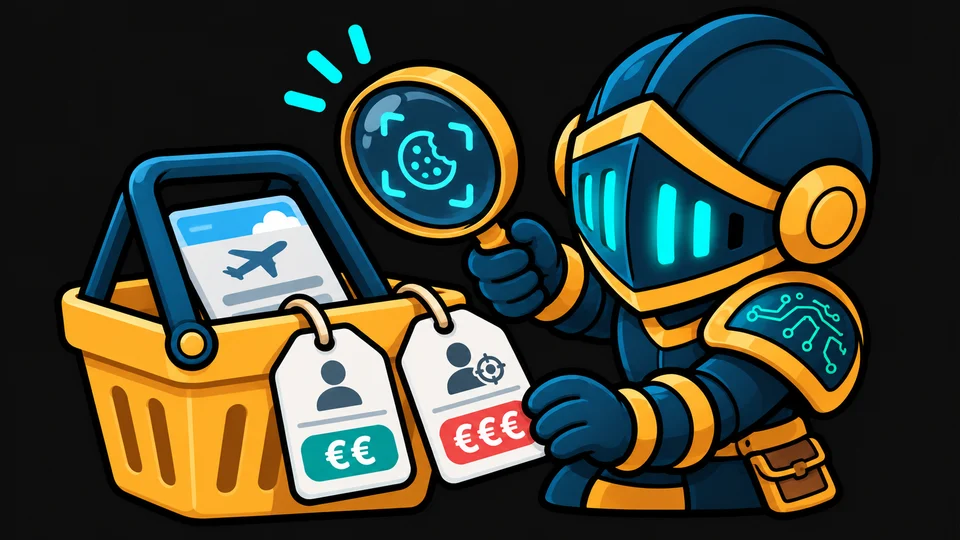
How personal information can influence online prices, what privacy rights apply in France and the EU, and practical ways to reduce profiling signals.

Understand how personal information can appear in AI responses, which GDPR rights may apply, and how to reduce unnecessary exposure at its source.
Understand reputation management, GDPR removal, brokers, monitoring and pricing models. A practical guide for individuals in France and the EU.
Someone shares your name. Learn how mistaken identity can affect your digital footprint, how to check results and how to correct inaccurate associations.
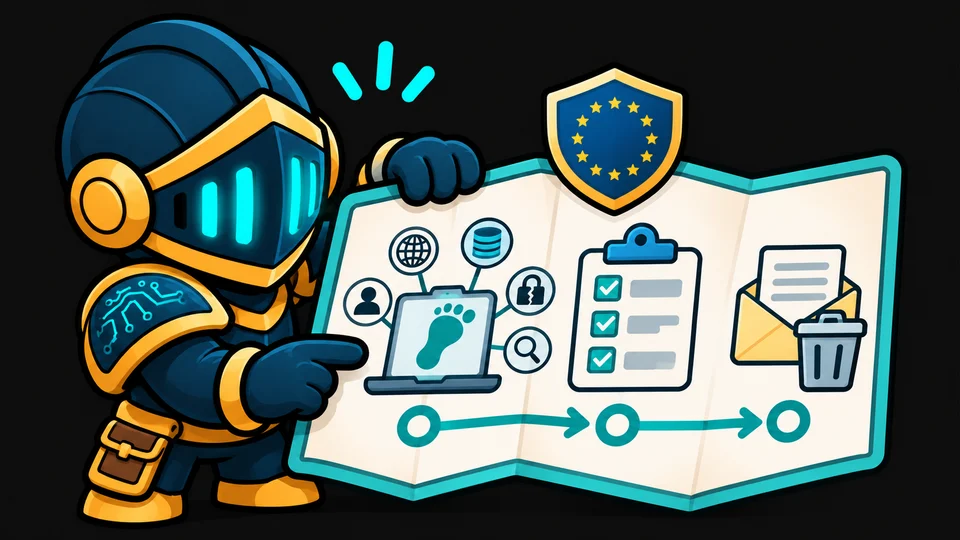
Understand your online footprint, the right to erasure and practical ways to reduce exposure across websites, data brokers, breaches and search engines.

Understand your digital footprint through active and passive examples, then follow five practical steps to reduce your exposure online.
Does your name appear on people search sites, directories or data broker profiles? Use a free scan, GDPR erasure rights and request tracking to take back control.